Clinic Students Step Into Landmark Climate Case With Former US Officials

A team of students in the Law School's Abrams Environmental Law Clinic got first-hand experience on one of the country’s biggest legal stages this January. The students spent their winter break working on an amicus brief representing former top federal officials in a Ninth Circuit climate lawsuit.
The case, Lighthiser v. Trump, was filed by the nonprofit law firm Our Children’s Trust on behalf of a group of 22 children and young adults. The lawsuit challenges three climate-related executive orders, claiming they violate the youth’s constitutional rights.
The clinic’s involvement with the case began late last year, when former White House Chief of Staff and Senior Advisor for International Climate Policy John Podesta—a lawyer by training—visited an Abrams Environmental Law Clinic seminar to talk with students. Podesta had previously testified in the Lighthiser case in Montana federal district court. Now Podesta, among other top former federal officials, looked to contribute his expertise in its appeal via an amicus, or friend of the court, brief.
Mark Templeton, director of the Abrams Clinic, saw a unique opportunity for his students to get involved in a high-profile Ninth Circuit case, in addition to their usual caseload for the clinic. Shortly before finals, Templeton put out the call asking for volunteers to work on the brief during the upcoming winter break.
“We got more students wanting to help with it than we had tasks to hand out,” Templeton said. “That’s a real testimony to the level of student interest and commitment to the kind of work we do, especially during a period that students are supposed to be ‘off’ from school. That also gives them the kind of experience they will have as practicing lawyers, helping their clients whenever their help is needed.”
He and Alex Miskho, a Fellow in the clinic, jumped right into the project. They assembled a team of nine students, and as soon as finals ended, the students got to work. During their two-week vacation, students took charge of different tasks. For the first week, students focused on a meticulous research process, finding the most relevant sources and examples to cite. The second week, they focused on writing, with careful edits to fit as much information as possible within the brief’s word limit.
“The students were deeply involved every step of the way,” said Miskho, who supervised the writing of the brief alongside Templeton. A student was even in the room as Templeton and Miskho electronically filed the brief, doing last-minute read-throughs and checking the document’s margins with a ruler to ensure compliance with the Ninth Circuit’s procedural rules.
The bulk of the work was done remotely, with students putting in hours of work from around the globe under the constant guidance of Miskho and Templeton. “I had like a million different Zoom meetings with both of them,” said Lillian Bourne, '26, who contributed to the brief. “They were always there, and they were always willing to talk.”
While Templeton and Miskho supervised the process, the content of the brief came from hours of back and forth with the students, cycling through arguments, language, and drafts “We could not do this without them,” Templeton said. “They worked nights, they worked weekends, they turned things super quickly. It was a really efficient team.”
“We knew we would be asking a lot of the students in helping to prepare this brief, and they all stepped up when we needed them to,” Miskho said. “There are a lot of moving parts in the process of writing the brief, double, triple, and quadruple checking every assertion, and in working with such a talented and unique group of Amici. The dedication of the student team made this possible not only in an unusually short amount of time, but also during a period of time when most people, not only students, are taking a well-deserved break.”
The resulting 6,947-word brief, filed January 20, represented a bipartisan group of thirteen former senior federal officials whose appointments spanned five presidential administrations. Alongside Podesta, supporters included: Robert T. Anderson, (former Interior Solicitor); Michael Connor (former US Assistant Secretary of the Army for Civil Works); Laura Daniel-Davis (former Interior Acting Deputy Secretary); Shaun Donovan (former Office of Management and Budget Director); Governor Jennifer Granholm (former Energy Secretary); Sally Jewell (former Interior Secretary); Gina McCarthy (former EPA Administrator); William K. Reilly (former EPA Administrator); Richard L. Revesz (former White House Office of Information and Regulatory Affairs Administrator); Patricia Lynn Scarlett (former Interior Deputy Secretary); Todd Stern (former U.S. Special Envoy for Climate Change); and Tracy Stone-Manning (former Bureau of Land Management Director).
The brief forms one of eight submitted by different groups, this one focused on the role of senior officials in responding to court orders that enjoin Executive Orders. Each brief will be read by Ninth Circuit judges alongside the appeal to help inform their decision.
“Being read by federal judges, and being read and approved by a number of former cabinet secretaries, White House Chiefs of Staff, etc…it’s cool to have had that impact,” said Elijah Greisz, '26, who worked on the brief. “One of the takeaways is how impactful student work can be.”
Editor's Note: The full version of this story appeared on the UChicago Institute for Climate and Sustainable Growth website.
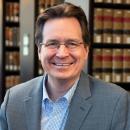
Mark N. Templeton
Clinical Professor of Law, Director of the Abrams Environmental Law Clinic